June 4, 2026
Our visit to Yoko-no-Sono Nursing Home in Odawara gave me a deeper understanding of how Japan is responding to one of its biggest public health challenges: an aging population. During the visit, we learned about the history of the Choju-Kai Social Welfare Corporation, which was founded after World War II to support vulnerable individuals in the community. What began as an effort to care for older adults who lacked financial resources or family support has expanded into a comprehensive long-term care system. Today, the facility provides residential care, short-term stays, and day services that allow older adults to receive assistance while remaining connected to their communities. Learning about the evolution of elder care in Japan helped me better understand how social welfare policies, healthcare systems, and demographic changes are interconnected.
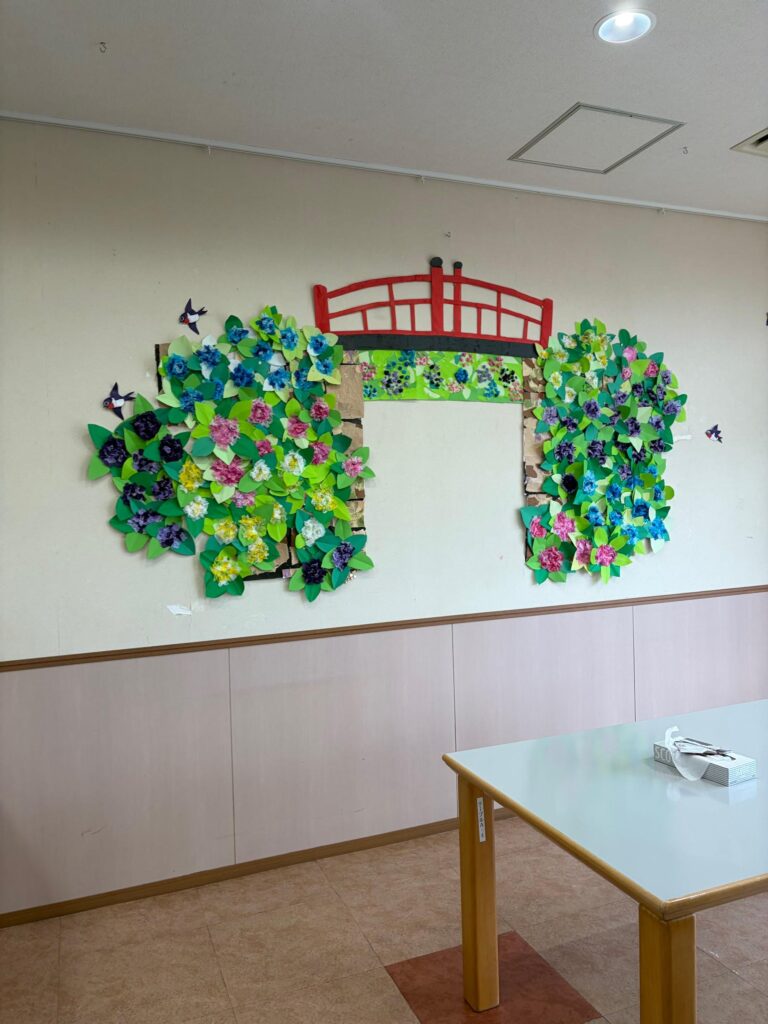
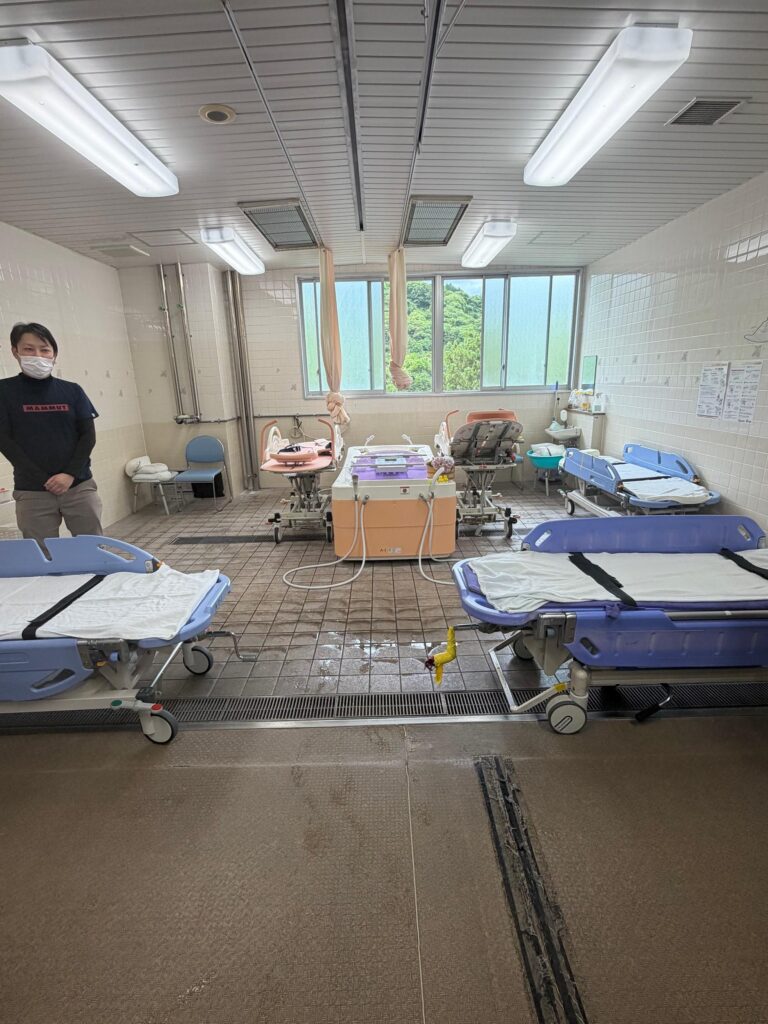
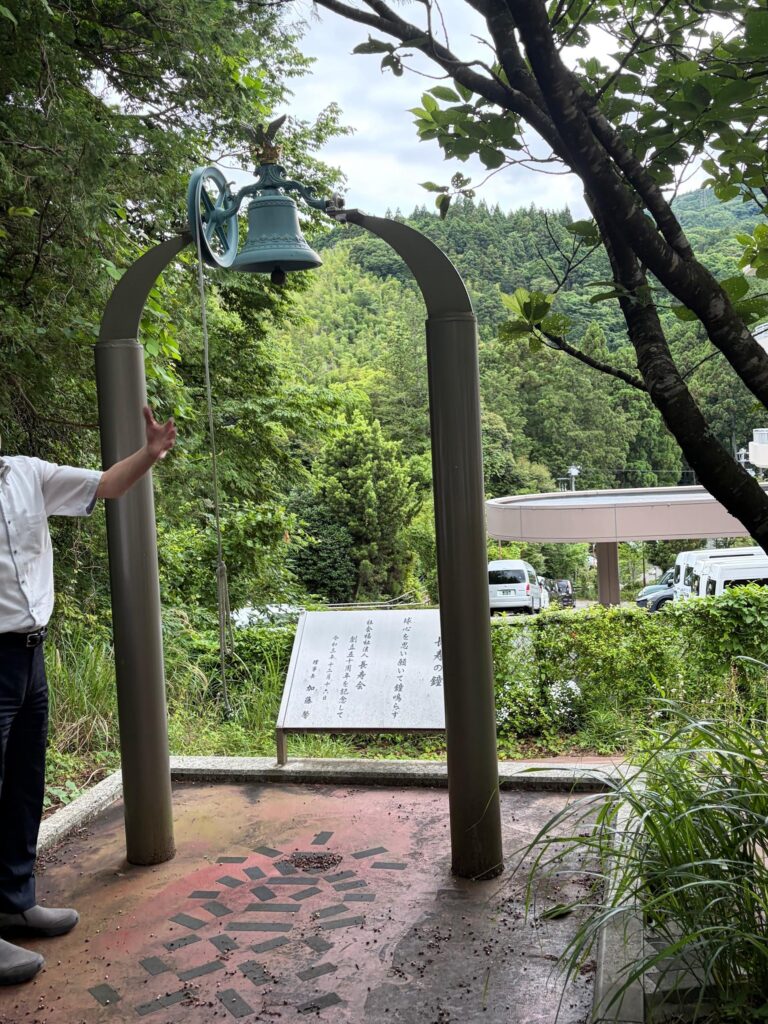
What impacted me most was the facility’s approach to aging and end-of-life care. Staff members spoke about death not as a failure of medicine, but as a natural part of life that should be approached with dignity and respect. This philosophy was reflected throughout the facility and challenged some of my assumptions about how healthcare systems measure success. Before this visit, I often thought that the best form of care was doing everything possible to keep someone alive for as long as possible, regardless of their condition. However, Yoko-no-Sono presented a different perspective. The staff emphasized quality of life, dignity, purpose, and meaningful relationships rather than simply extending life through medical intervention. This made me think differently about aging and end-of-life care. Learning about the Japanese concept of ikigai emphasized how maintaining purpose in life can contribute to both well-being and longevity. Rather than viewing old age as a period of decline, the residents were encouraged to remain engaged and connected in their community. Seeing this approach firsthand helped me realize that successful healthcare is not only about helping people live longer, but also helping them live well. It even changed my perspective on what I would want for my own family members. One phrase that particularly stood out to me was the facility’s description of death as a “graduation ceremony of life.” Rather than treating death as something to fight at all costs, the staff viewed it as a natural part of life and focused on helping residents reach the end of life with dignity.
We also discussed the realities of Japan’s declining birth rate, increasing life expectancy, and the resulting shortage of caregivers. The facility serves residents with an average age of 92, while also providing short-term and daytime services for additional older adults in the community. Staff explained that fewer young people are entering the workforce while the number of older adults requiring support continues to grow. Even with roughly one caregiver for every three residents, workforce shortages remain a significant concern and are expected to worsen in the coming decades. One of the things that the faculty did to help address this challenge was recruiting caregivers from other Asian countries and emphasized the importance of international cooperation in sustaining long-term care services. As someone interested in healthcare systems and public health, I found it fascinating to see how one organization is adapting to these challenges in real time. What stood out to me was that the solution extends far beyond medical care alone. Transportation services, short-stay programs that provide relief for family caregivers, long-term care insurance, social engagement opportunities, and workforce development all play important roles in supporting older adults. The visit demonstrated that population aging is not simply a healthcare issue but also an economic, social, and policy challenge. Leaving Yoko-no-Sono, I found myself thinking not only about the future of healthcare, but also about the kind of care I would want for the people I love most.
Sierra Jones-Zecher
Public Health Major | University of Maryland, Baltimore County