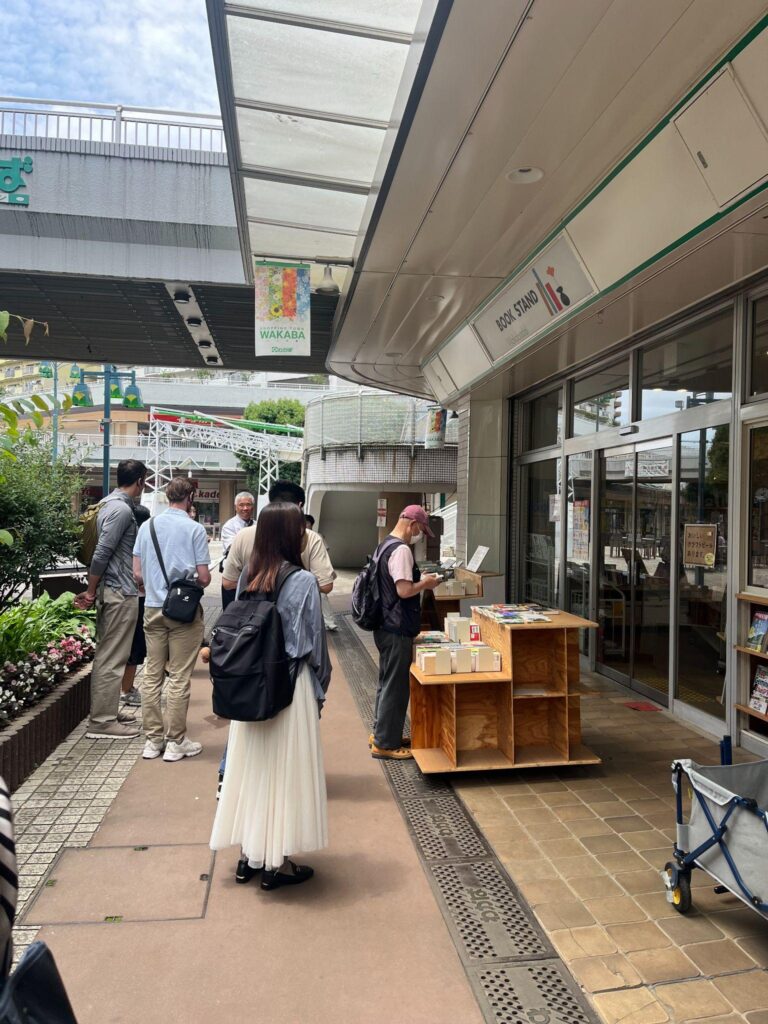
 On June 11, our group visited the Wakabadai housing complex in Yokohama’s Asahi Ward, a planned community that opened in 1979 and now serves as one of Japan’s most closely studied examples of community-level aging-in-place. With an aging rate of 55.4% as of March 2026, Wakabadai far exceeds the national average, and yet its rate of residents certified as needing long-term care sits at just 16.1%, well below what demographic projections would suggest. We were introduced to six leaders representing different facets of the community’s organizational structure, including members of the Wakabadai Community Associations Federation, the District Social Welfare Council, and the NPO Wakabadai. The community is governed like a small town, complete with its own free bus service running Monday through Saturday, a community app for support that utilizes Amazon’s Echo for those who struggle with tech and need check-ins, on-site long-term care insurance consultations, dedicated care managers, and scam protection services all in coordination with local institutions. Unpaid older adult volunteers sustain many of these functions, contributing labor from a place of purpose rather than obligation.
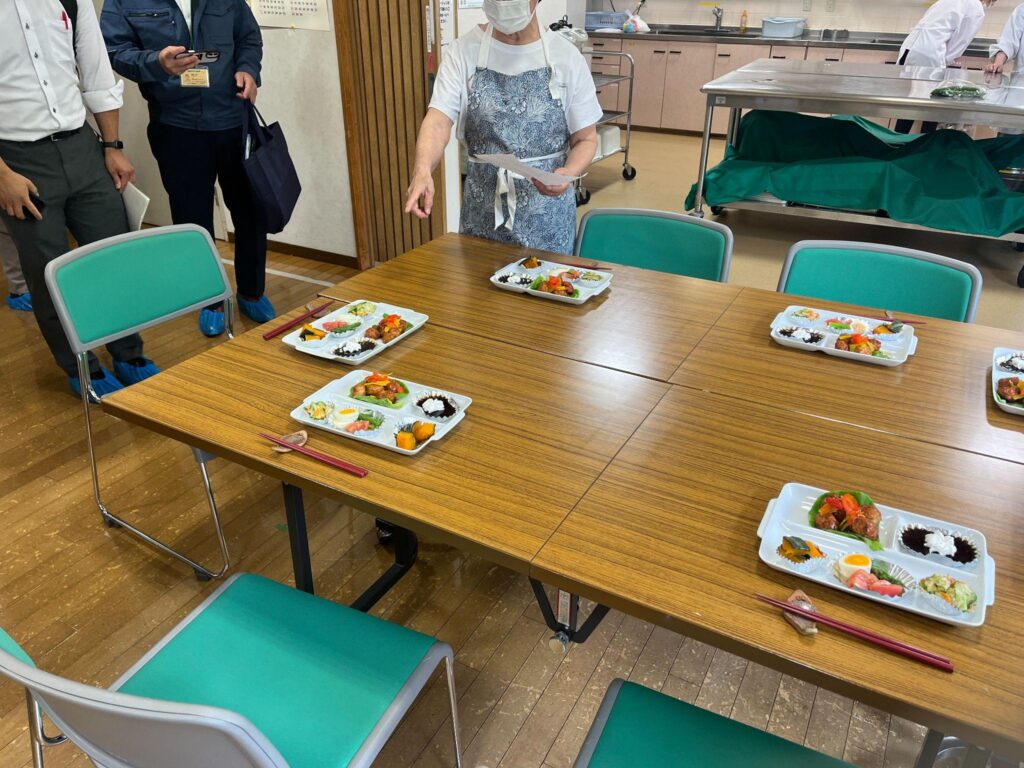
What stood out most in our tour and Q&A was how intentionally Wakabadai has confronted the challenge of keeping its aging residents socially integrated rather than institutionally managed. The HIMAWARI project functions as a community hub offering services at 500 yen per minute, linking residents to home care, visiting nurses, and care management on-site. The Social Welfare Council hosts multi-generational events, maintains the community garden as a touchpoint for informal health monitoring, and coordinates welfare commissioners who flag changes in residents’ daily conditions. The “Team Orange” dementia support program, cooking lessons designed specifically for men, a children’s forum that gives young residents a formal voice, and a bookstore-turned-exchange-space called WAKKA all reflect a community that has deliberately built social infrastructure at every demographic layer. When touring the community we were lucky enough to meet some of the residential “legends” of the community. These older adults were kind enough to take time out of their planning session for childcare programming and their work in doing meal prep for the community, to explain the details of their work to us. This embodies the exact model of productive, connected aging that Wakabadai has spent four decades constructing.

Alexandria McBride
First-year gerontology doctoral student | UMBC-UMB