June 8, 2026
At Keio University Hospital, we had the opportunity to see many different technological innovations from various fields being put into practice in order to support the actively aging population of Japan.
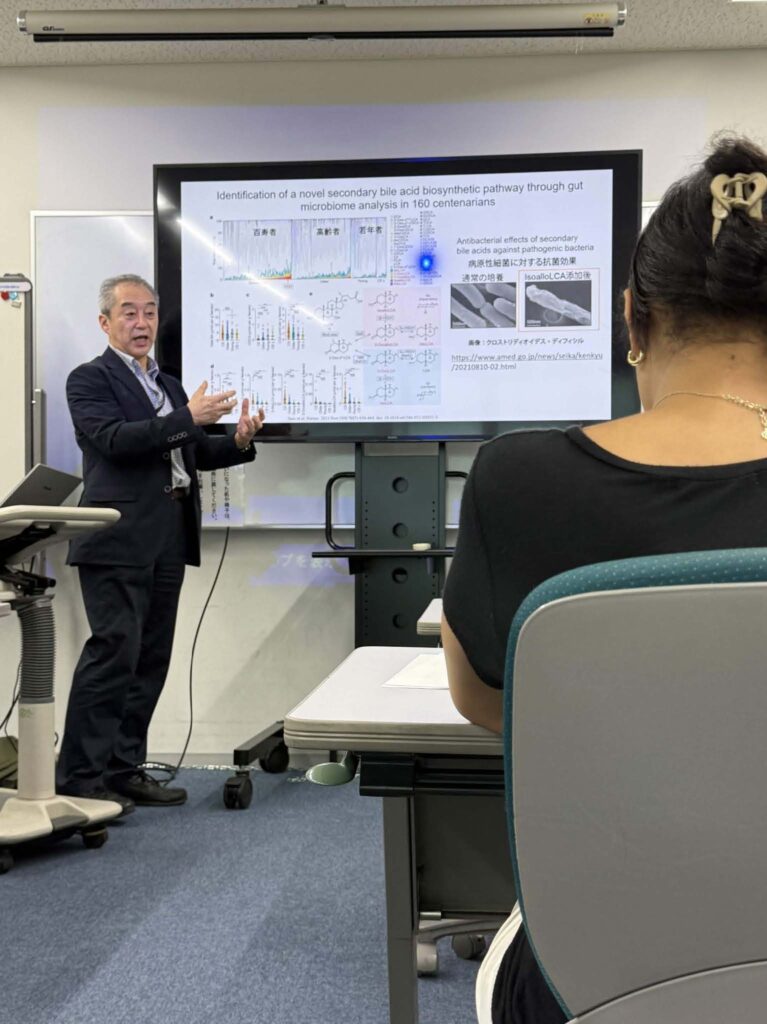 We started with a short introduction and lecture from Professor Yasumichi Arai, who is currently working with centenarians and supercentenarians from all across the country. Hearing him talk about the different aspects of their lives that influence their health (such as worldview and their surrounding communities) and how these findings can be exported to other countries reminded me that longevity is a social achievement just as much as a medical one. It demands an environment where older adults remain valued and able to actively participate in society, rather than being isolated, which understandably becomes much more difficult as the population of younger adults shrinks.
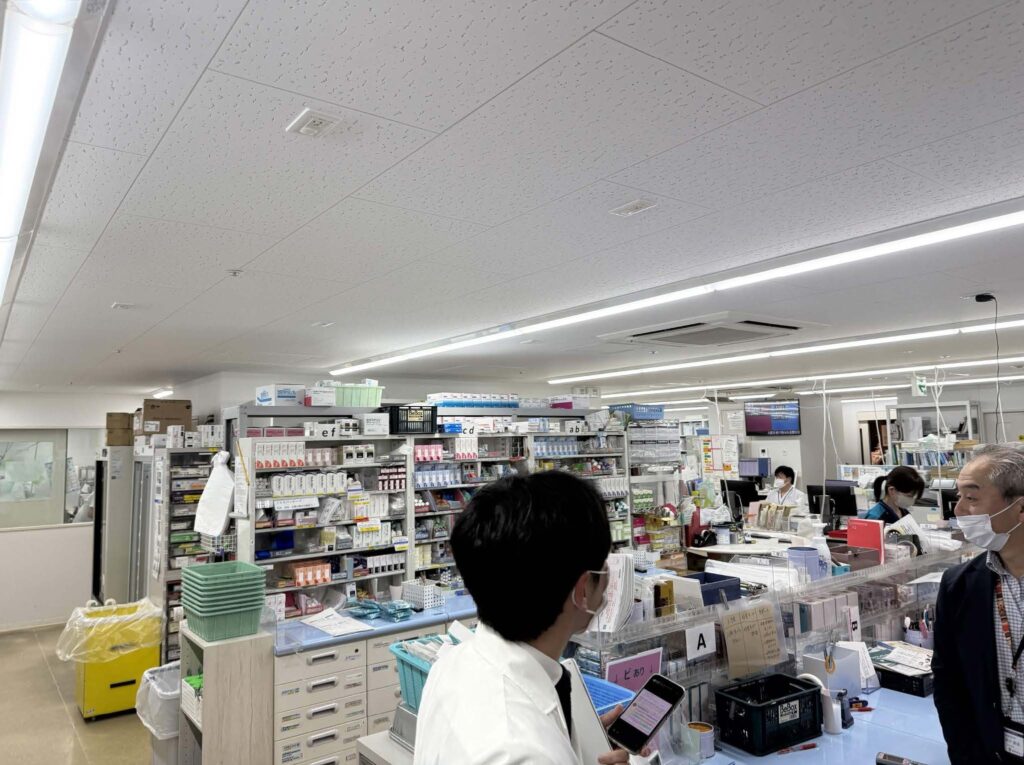
One of the ways this problem is being tackled in the hospital is by integrating more technological innovation and automation. Our tour highlighted how these machines are stepping in to fill this gap as collaborative partners rather than outright replacements. From an autonomous wheelchair going around the lobby, robotic dispensing systems in the pharmacy, digitized status boards in the operational hub, and even a delivery robot taking medications up different floors and directly to patients, these machines serve to alleviate physical and administrative burden on the hospital staff so that they can dedicate all of their effort to providing empathetic, hands-on care for patients.
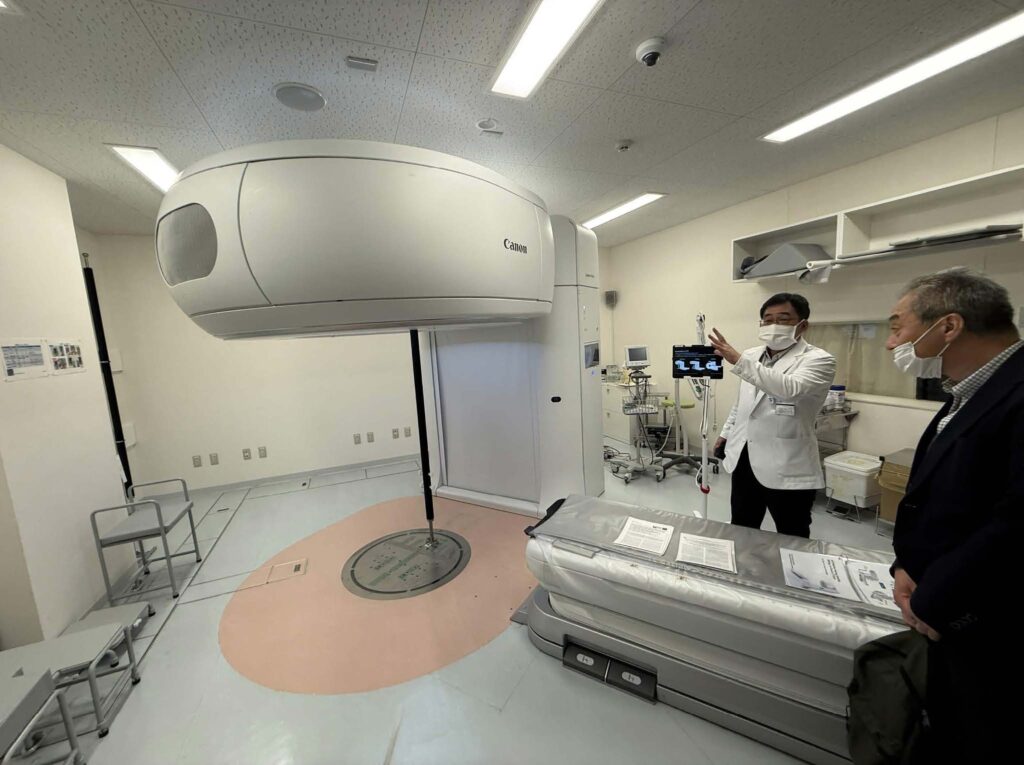
 This cultural commitment to preserving patient dignity was even more apparent when we tested the world’s first upright CT scanner, developed by researchers at Keio University itself. For older adults who might find lying on the table painful, intimidating, or even physically impossible, being able to stand or sit in the scanner preserves their comfort and personal agency as they are able to receive the same caliber of care as others. This position could even reveal issues traditional scanners might miss, as the organs would be differently affected by gravity, which is all the more reason that people should not neglect strides to make these tools accessible to more people with different circumstances.
We concluded our visit by discussing the future integration of AI in different aspects of healthcare, such as analyzing X-rays, MRIs, and CT scans, highlighting already existing strides in this automation with examples such as robots that video-brief patients and physically guide them to examination rooms to minimize unnecessary contact.
Reflecting on the day, my biggest takeaway was the stark contrast in how automation is viewed. While technology in the U.S. often sparks anxiety about job replacement, Japan clearly embraces it as an essential partner in elder care. Today’s experiences showed me that true healthcare innovation in a super-aged society isn’t about achieving cold, robotic efficiency. Rather, it is a culturally rooted effort to use advanced engineering to ensure that individuals can age with maximum respect, independence, and dignity.
Euna Cho
UMB Medical School
David Kim
Guest Participant | Duke University